News 📢
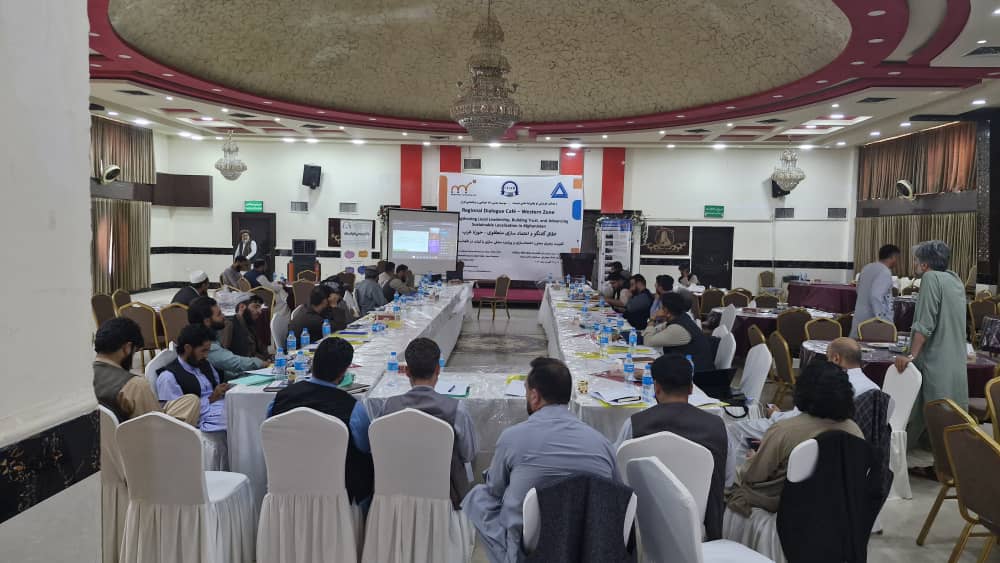
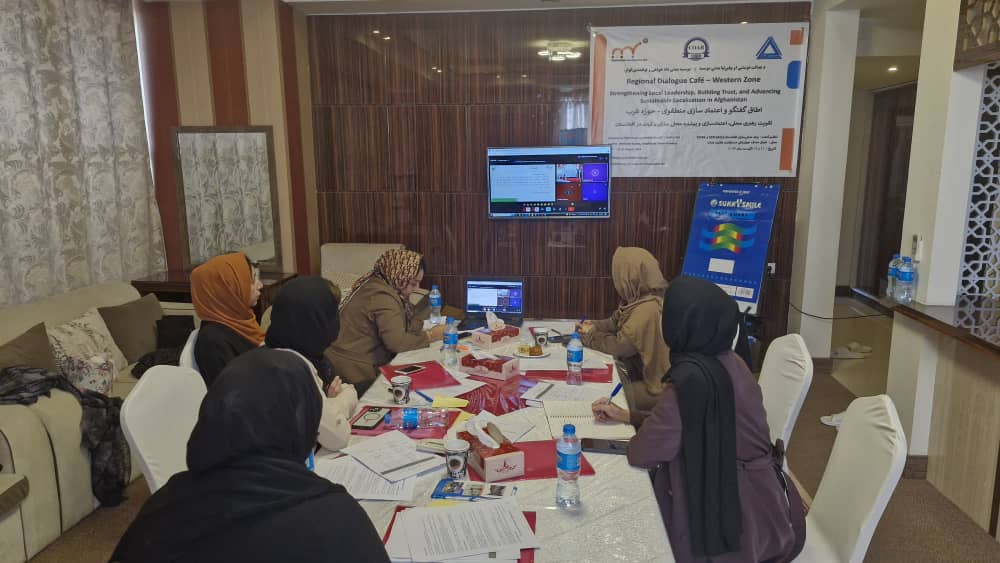
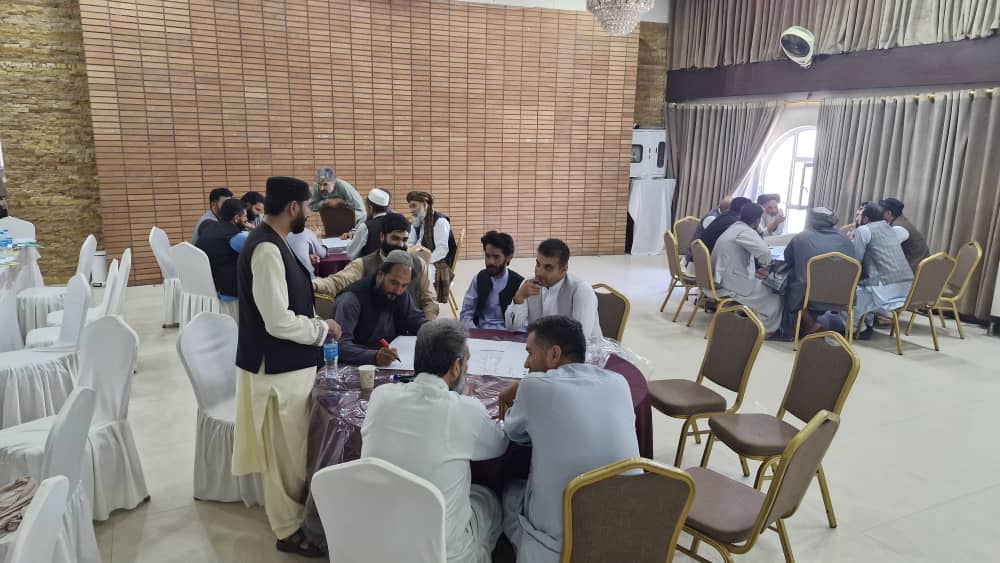
COAR, through the Afghanistan Localization Lab (ALL) and with financial support from the Swiss Agency for Development and Cooperation (SDC), organized a two-day Western Regional Dialogue Café in Herat City on 11–12 August 2026. The event brought together 48 participants from national and international NGOs, UN agencies, government institutions, women-led organizations, civil society, community-based organizations, and community representatives to strengthen local leadership, build trust, and advance sustainable localization in Afghanistan.
Using an inclusive and participatory dialogue approach, participants explored key barriers to localization, shared practical experiences, reflected on stakeholder roles and responsibilities, and jointly identified practical actions to strengthen locally led humanitarian and development responses. Discussions emphasized that meaningful localization goes beyond financial resources and requires greater local leadership, decision-making authority, institutional capacity, equitable partnerships, trust, mutual accountability, and community ownership.
Presentations from COAR, ACBAR, Save the Children International, and UN Women highlighted localization commitments, ongoing initiatives, and practical experiences in Afghanistan and the Western Region. Group discussions generated recommendations to expand direct, flexible, predictable, and longer-term funding; strengthen equitable partnerships; improve institutional capacity; increase local participation in programme and strategic decision-making; strengthen coordination and accountability; and promote meaningful community and women-led organization participation.
The workshop achieved a significant increase in participants' understanding of localization, with average knowledge scores rising from 20% before the event to 85% afterward, representing a 65-percentage-point improvement. Participants also strengthened relationships and mutual understanding across stakeholder groups and reaffirmed the importance of continued regional dialogue, coordination, learning, and collective advocacy.
The Dialogue Café identified strategic priorities for 2026–2027, including increasing direct and flexible funding for local organizations, strengthening local leadership and decision-making, promoting equitable and trust-based partnerships, investing in institutional capacity, increasing community participation and ownership, strengthening representation of local actors, improving accountability and evidence-based learning, and sustaining regional coordination and advocacy. Despite challenges such as limited participation from some key stakeholders, time constraints, and the need for stronger regional evidence and follow-up mechanisms, the Dialogue Café established a strong foundation for continued collective action toward a more inclusive, equitable, and locally led humanitarian and development system in Afghanistan.
 Copyright © 2026 Localization Lab | Designed by MISS (ZS)