• +93 779 21 54 75
  • info@localization-lab.cen.af
  • News 📢

Afghanistan Localization Lab Officially Launched on 05-Nov-2024, A New Era for Locally-Led Humanitarian Efforts. Afghanistan Localization Lab Officially Launched on 05-Nov-2024, A New Era for Locally-Led Humanitarian Efforts. Afghanistan Localization Lab Officially Launched on 05-Nov-2024, A New Era for Locally-Led Humanitarian Efforts.

Vision, Mission & Core Values

Building a Locally Led Future

The Afghanistan Localization Lab (ALL) promotes inclusive, sustainable, and locally driven humanitarian and development action through collaboration, institutional strengthening, and community-centered leadership.
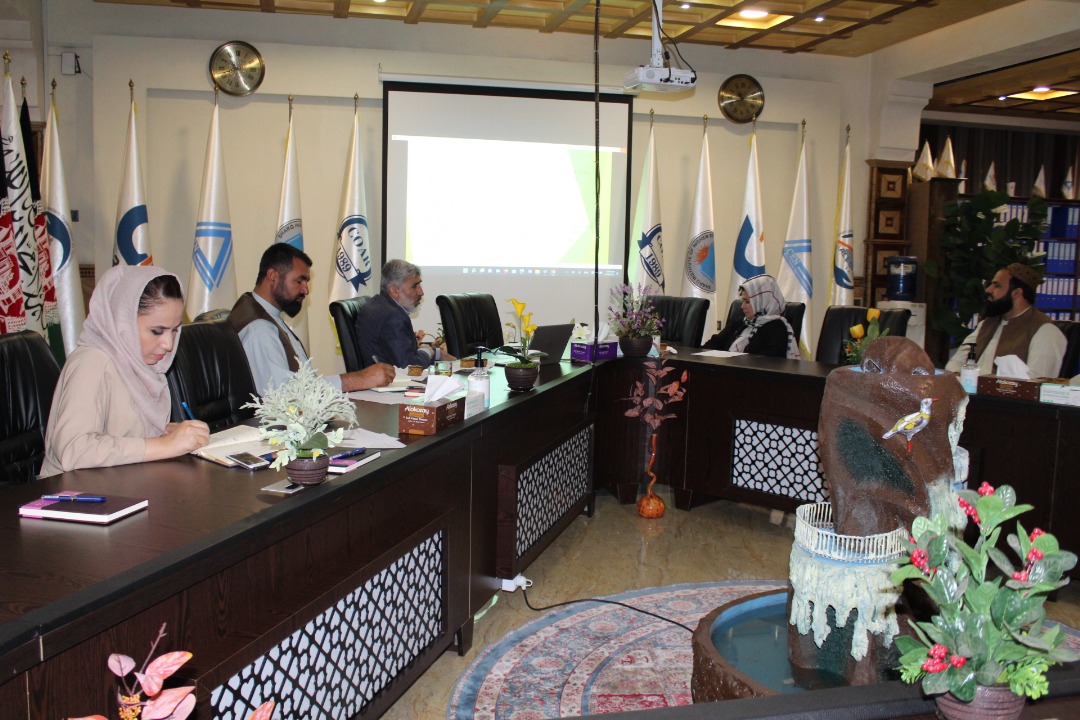
Vision

To realize a humanitarian and development system in Afghanistan in which local and national actors lead, decide, and shape responses affecting their communities, ensuring that power, resources, and accountability are firmly rooted at the grassroots level.

Mission

The mission of the Afghanistan Localization Lab (ALL), in collaboration with COAR, CEN, and other Local/National Organizations, is to strengthen Afghan-led humanitarian action through:

  • Strengthening institutional capacity and sustainable systems for L/NNGOs
  • Promoting equitable partnerships between local, national, and international actors
  • Facilitating collaborative learning, innovation, and evidence-based advocacy
  • Creating structured pathways for meaningful participation of grassroots organizations
  • Integrating conflict sensitivity, gender inclusion, and adaptive management principles
  • Shifting decision-making power and resources to local and national actors

Through coordinated action, experimentation, institutional strengthening, and knowledge exchange, the Lab seeks to operationalize localization principles in a structured, practical, and measurable manner.

Core Values of ALL

The Afghanistan Localization Lab is guided by values that strengthen local leadership, accountability, collaboration, inclusion, innovation, and sustainability in humanitarian and development action.

1

Local Leadership

Afghan communities and organizations are best positioned to identify needs, design solutions, and lead humanitarian and development initiatives.

Operational Guidance:
  • Conduct participatory community consultations and needs assessments.
  • Engage women, youth, and marginalized groups in planning.
  • Prioritize locally identified priorities.
  • Strengthen local staff and community structures.
2

Equity & Power-Sharing

Traditional aid hierarchies should be transformed through fair resource distribution, shared decision-making, and mutual accountability.

Operational Guidance:
  • Advocate for direct funding opportunities.
  • Establish joint planning and governance systems.
  • Promote transparent resource allocation.
  • Encourage equal participation in decisions.
3

Collaboration & Solidarity

Cooperation among civil society, local NGOs, communities, and international actors is essential for an inclusive localization ecosystem.

Operational Guidance:
  • Participate in coordination platforms and NGO forums.
  • Develop clear partnership agreements.
  • Share lessons learned and good practices.
  • Promote collective advocacy efforts.
4

Accountability to Communities

Transparency, participation, and accountability to affected populations remain central commitments.

Operational Guidance:
  • Create community feedback and complaint mechanisms.
  • Provide transparent project information.
  • Ensure participation in evaluations.
  • Respond to feedback and grievances regularly.
5

Innovation & Learning

Experimentation, adaptive management, and continuous learning strengthen locally led solutions in complex environments.

Operational Guidance:
  • Pilot innovative local approaches.
  • Document lessons learned and best practices.
  • Use MEAL systems for adaptive management.
  • Promote staff learning and reflection sessions.
6

Inclusivity

The meaningful participation of women-led organizations, marginalized groups, youth networks, and grassroots actors is actively promoted.

Operational Guidance:
  • Ensure gender-balanced participation.
  • Partner with women-led organizations.
  • Address barriers faced by marginalized groups.
  • Include youth and grassroots representatives.
7

Sustainability

Long-term institutional strengthening ensures resilience, autonomy, and continuity beyond short-term project cycles.

Operational Guidance:
  • Invest in governance, finance, HR, and MEAL systems.
  • Develop diversified funding strategies.
  • Strengthen local ownership and partnerships.
  • Integrate environmental and social sustainability.

Afghanistan Localization Lab (ALL)

Through collaboration, innovation, institutional strengthening, and equitable partnerships, the Afghanistan Localization Lab works to ensure that local actors are not only implementers of aid but central leaders and decision-makers shaping humanitarian and development responses across Afghanistan.
Subscribe To our Website and Get Update and Latest News.